
Essential Life Skills for Young Adults: Building Independence
What Are “Life Skills” for Young Adults?
Life skills are the practical and emotional tools that help individuals function effectively in everyday life. They fall into three main categories:
- Practical Skills: Managing money, cooking, cleaning, and organization.
- Social and Emotional Skills: Communication, self-regulation, and problem-solving.
- Professional and Academic Skills: Time management, responsibility, and goal setting.
While schools focus heavily on academics, many young adults graduate without mastering these real-world abilities — leading to frustration, dependency, or difficulty launching into adulthood.
At The Crossroads bridges that gap by offering a structured environment where young adults can practice, make mistakes, and grow safely
How Life Skills Training Builds Confidence
Mastering life skills does more than make young adults capable — it helps them feel capable.
That confidence often translates to:
- Increased motivation to pursue goals
- Improved emotional stability
- Stronger relationships with family and peers
- Reduced anxiety about the future
At The Crossroads, progress happens step by step. Our team celebrates small victories, helping participants recognize that growth is possible with effort and support.
Request A Call Back
"*" indicates required fields
Why Life Skills Matter for Young Adults
Transitioning from adolescence to adulthood can be both exciting and overwhelming. For many young adults, the shift from relying on parents to managing responsibilities independently doesn’t happen overnight.
That’s where life skills come in — the foundational abilities that allow young people to navigate real-world challenges confidently and responsibly. These skills are not just about surviving; they’re about thriving — managing money, maintaining healthy relationships, communicating effectively, and handling life’s ups and downs with resilience.
At At The Crossroads, a young adult transitional program based in Utah, we help participants build and strengthen these skills through hands-on experiences, therapeutic support, and structured independence. Whether your young adult struggles with motivation, anxiety, or a lack of direction, life skills training can make a powerful difference.
Casey Life Skills (CLS)
Casey Life Skill training is a tool that assesses the behaviors and competencies youth need to achieve their long-term goals. It aims to set youth on their way toward developing healthy, productive lives.
Casey Life Skill models are designed to be used in a collaborative conversation between a therapist, mentor, and young adult in assessing life skills necessary for independent living.
Casey Life Skills (CLS) helps you identify the small steps you can take to bring you closer to achieving your dreams.
Don’t worry: CLS is not a test. It’s a way for you to build your own personal checklist of skills and strengths. It shows you what you know already and what is possible to learn to help you in the future.
If your goals revolve around going to school, meeting new friends, living on your own, owning your own car, raising a family, traveling, or getting a job you love, CLS helps you make a plan for overcoming the challenges that can get in the way of these dreams.
How CLS works
Your social worker, case manager or other mentor will invite you to take the Casey Life Skills assessment online. It only takes about 30 minutes to complete and you’ll get the results online really fast. Then you can send your assessment results to your social worker or other caring adults. They will sit down with you to help you figure out where you excel and what steps you want to take next.
What kinds of life skills does CLS help you think about?
- Maintaining healthy relationships
- Work and study habits
- Using public transportation
- Cooking and cleaning
- Budgeting and paying bills
- Computers and the Internet
Think back to when you were younger. What was a life skill you learned? Was it dressing yourself, writing your name or tying your shoes? We can reach our goals more easily if we practice certain general life skills that prepare us for any kind of challenge – and for any kind of dream.


1. Financial Responsibility
Learning to manage money is one of the cornerstones of independence.
Young adults should understand how to:
- Create and stick to a budget
- Use a checking and savings account
- Manage credit responsibly
- Pay bills and track expenses
Our program includes hands-on budgeting exercises and financial literacy workshops to build confidence in real-world money management.
2. Time Management and Organization
Many young adults struggle with structure — especially those with ADHD, anxiety, or executive functioning challenges.
Key time management skills include:
- Setting daily and long-term goals
- Using planners or digital tools to stay organized
- Prioritizing tasks
- Meeting deadlines
At The Crossroads emphasizes daily routines and accountability to help participants learn consistency — one of the most valuable habits for adult life.
3. Healthy Living and Self-Care
Independence starts with self-care. Knowing how to maintain physical and emotional well-being is vital.
This includes:
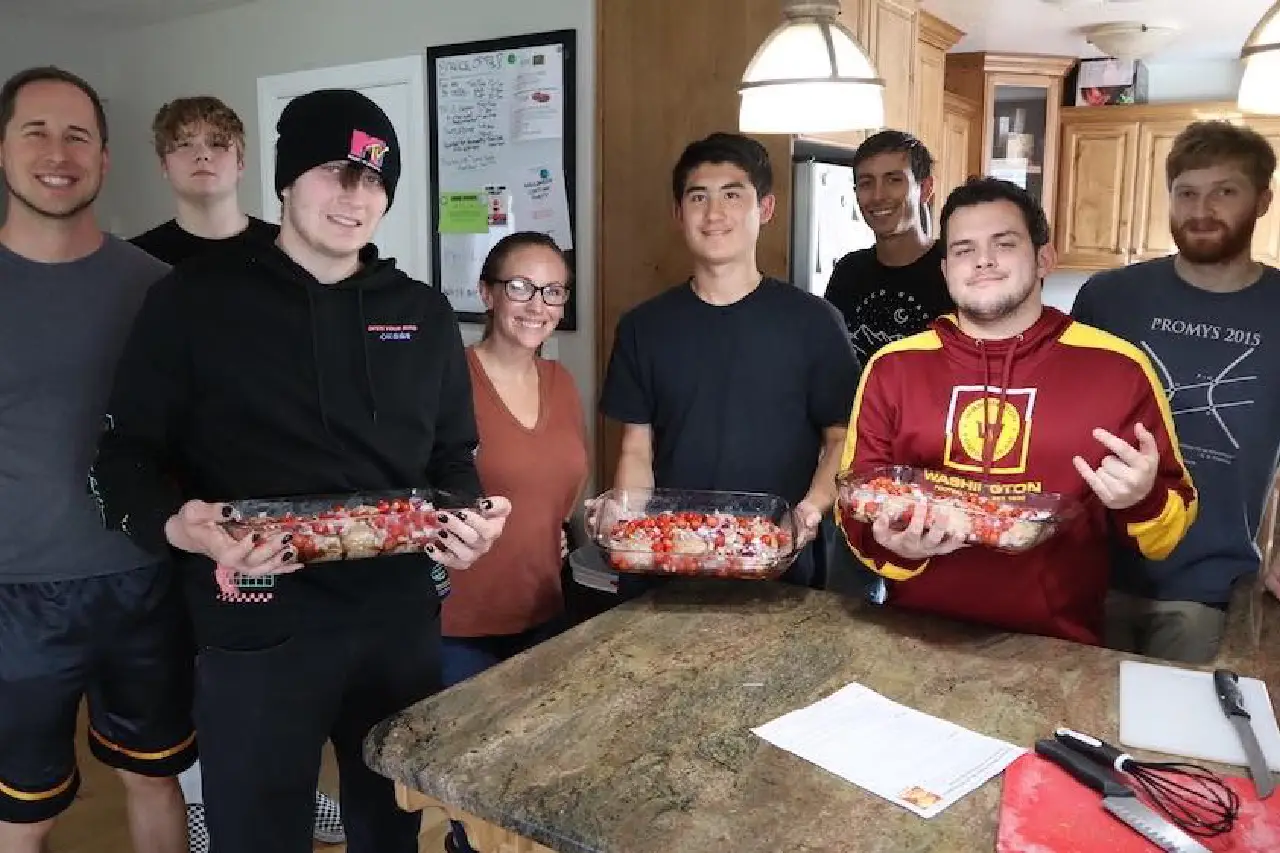
- Cooking nutritious meals
- Managing sleep, exercise, and hygiene
- Recognizing emotional triggers and stress responses
- Seeking help when needed
Our Utah-based environment encourages active, balanced living through outdoor recreation, counseling, and peer support.
4. Communication and Relationship Skills
Whether in the workplace, school, or relationships, communication can make or break success.
Young adults benefit from learning to:
- Express thoughts clearly and respectfully
- Listen actively
- Resolve conflict in healthy ways
- Build trust and empathy
Through group sessions and community living, participants practice these skills daily in a supportive setting.
5. Problem-Solving and Critical Thinking
Life is full of unexpected challenges. The ability to analyze situations, make decisions, and take responsibility builds true confidence.
We guide participants through real-world problem-solving exercises — from managing schedules to handling interpersonal issues — so they learn to face obstacles with resilience rather than avoidance.
6. Work and Career Readiness
Finding and keeping a job requires more than just technical ability. It’s about reliability, communication, and perseverance.
We teach:
- Resume building and job applications
- Interview preparation
- Workplace etiquette
- Setting and pursuing career goals
Participants gain hands-on experience through volunteer opportunities, internships, or part-time employment while in the program.
Areas of Life Skills
-
Goal Setting
-
Financial Competence
-
Career Development
-
First Aid/CPR
-
Resume Building
-
Relationship Building
-
Personal Social Media Management
-
Transportation
-
Healthy Communication
-
Education
-
Food Management
-
Automotive Maintenance
-
Meal Planning
-
Recreation-Fitness
-
Laundry / Cleaning
-
Self Care / Health / Hygiene
-
Time Management

Develop the Individual & Group Life Skills Necessary for Independence
Often times young adults require assessment and coaching in order to develop and hone the life skills necessary for long-term independence and success. At The Crossroads uses a variety of Life Skill models as a guide to develop individualized life skills training programs for our clients. Working through the life skills component of our program in turn helps the young adults to gain confidence and traction in working towards their life goals. Once a young adult develops a healthy set of life skills, independence is that much more attainable.
Based off of information from the Life Skill assessments and clinical observation, young adults are evaluated on their proficiency with the following life skills listed below. Therapists work with colleagues to establish specific life skills with goals and objectives that become part of each student’s master treatment plan and are a focus of work between student’s and colleagues throughout the week.
How to choose life skills training programs
Why Utah Is an Ideal Setting for Growth and Independence
Utah’s natural beauty and supportive therapeutic community make it a unique environment for personal development.
At The Crossroads takes advantage of local resources — from community engagement to outdoor recreation — to provide a real-world learning experience that’s both challenging and restorative. Young adults gain the independence they need while surrounded by mentors who understand the journey toward adulthood.
When to Consider a Life Skills Program
You may want to explore a life skills program if your young adult:
- Struggles with motivation or time management
- Avoids work, school, or responsibilities
- Relies heavily on parents for daily needs
- Experiences anxiety, depression, or social withdrawal
- Feels “stuck” and unsure how to move forward

What Makes At The Crossroads Different
Our program is designed for sustainable growth — not quick fixes.
We combine:
- Therapeutic support from licensed clinicians
- Life coaching and mentorship
- Real-world skill development in housing, work, and social settings
- Family involvement to ensure continued success after transition
This holistic approach helps participants apply what they learn, not just talk about it.
Helping your young adult gain independence is one of the most meaningful investments you can make in their future.
At The Crossroads provides a safe, structured environment where young adults can learn, grow, and thrive — developing the essential life skills that lead to lifelong success.
