
Young Adult Transitional Living Program
in St. George, Utah
A structured transitional living program helping young adults build independence through clinical support, real-world experience, and guided accountability.
At The Crossroads is a young adult transitional living program — a structured residential environment in St. George, Utah, that bridges the gap between intensive treatment and fully independent living. Young adults ages 18 to 26 live in supervised housing while receiving clinical support, building life skills, and taking on real-world responsibilities in a safe, accountable setting.
Our program is specifically designed for struggling young adults who are ready to move toward independence but need more structure, guidance, and therapeutic support than home can provide. Whether stepping down from a residential program or working through failure to launch for the first time, At The Crossroads meets young adults where they are — and builds the foundation for where they are going.
How Our Transitional Living Program in St. George Supports Young Adults

Educate
Clinical and Life Skills Development
Residents participate in structured therapy, coaching, and life skills training designed to build emotional regulation, accountability, and independent decision-making.

Experience
Real-World Application and Responsibility
Young adults engage in vocational opportunities, community involvement, and daily living responsibilities that reinforce independence in a supervised setting.
Empower
Transition Toward Independent Living
Through guided accountability and personalized support, residents build confidence and prepare for college, employment, and long-term stability.
Who Is This Program For?
Young adult transitional living programs are the right fit when a young person needs more structure than an outpatient therapist can provide, but does not require the intensity of an acute residential treatment center. The families who reach At The Crossroads typically describe one or more of these situations:
- Their son or daughter completed a wilderness program or residential treatment center but cannot sustain progress in an unstructured home environment.
- The young adult is stuck — not working, not enrolled in school, not moving forward — a pattern often called failure to launch.
- Anxiety, depression, or emotional dysregulation makes it impossible to hold a job, manage daily responsibilities, or maintain healthy relationships without intensive parental involvement.
- The family dynamic has become unsustainable, and a neutral, structured environment is needed to reset relationships and rebuild momentum.
- The young adult genuinely wants to change but lacks the accountability structures and real-world skill-building opportunities to do so on their own.
At The Crossroads serves males and females ages 18 to 26. Our program in St. George, Utah provides an ideal setting: far enough from home to create healthy separation, embedded in a community with real vocational and academic opportunities, and surrounded by the natural landscape of southern Utah that supports experiential growth.
Get Answers About Our Young Adult Program
How Our Transitional Living Program in St. George Supports Young Adults
Choosing the right transitional living program is an important decision. Our team is available to answer your questions, explain how our St. George program works, and help you determine whether it’s the right fit for your young adult. There is no obligation to apply, and all conversations are kept confidential.
- Confidential and private consultation
- Learn about program structure and expectations
- Speak directly with our admissions team
- No pressure to enroll
Real Stories from Families We’ve Served
Our child has been here for over one year now. We can’t say enough good things about ATC in all areas, but specifically the quality of care, support, and guidance we have received both for our young adult child and also for our family. This is our eleventh program, and it looks to be our last. We are grateful beyond words! Thank you, ATC.
– Parent
At The Crossroads, staff, therapist, and team helped save my life when I was 18, coming out from wilderness therapy. I had to put in the work and want change, and they were there to help in every way. I repaired the relationships with my family, and worked on improving myself from rock bottom. 2 years later I ended up working there as a staff while finishing undergrad, where I found my passion, and decided I would be a therapist. I am now currently in my last semester of my MSW program back in New York City. So many people there were so helpful, and I still visit when I am there, feels like a second family.
– Student
Request A Call Back
"*" indicates required fields
Explore Our Areas of Support
These resources are designed to help parents and young adults better understand common challenges related to independence, motivation, and next steps. Explore the topics below to learn more about our approach and areas of support.
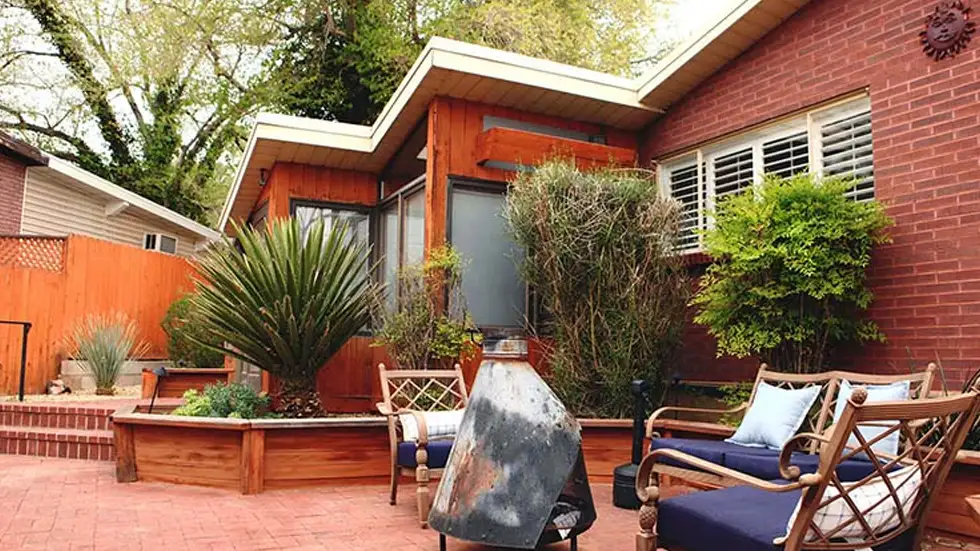
A structured residential environment is designed to support growth and accountability.
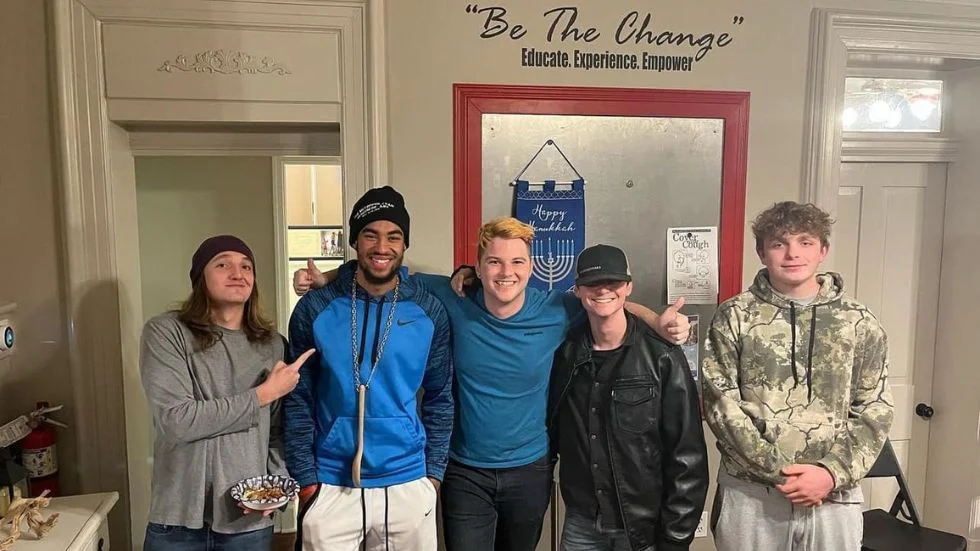
Therapeutic Approach
Our structured, supportive approach helps young adults build accountability and emotional regulation.
Practical skills like budgeting, communication, and responsibility support long-term independence.
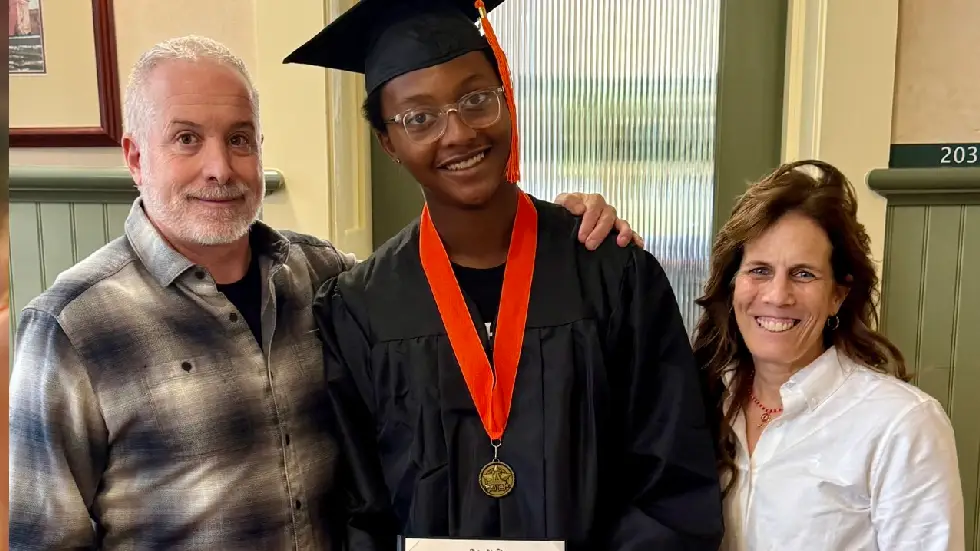
We help young adults explore academic and career pathways aligned with their goals.
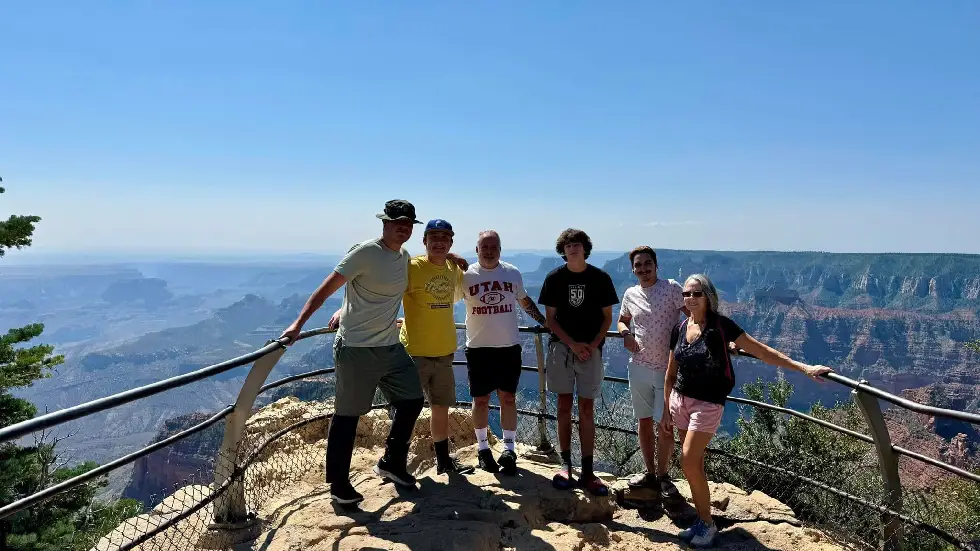
Experiential activities build teamwork, resilience, and confidence through real-world challenges.
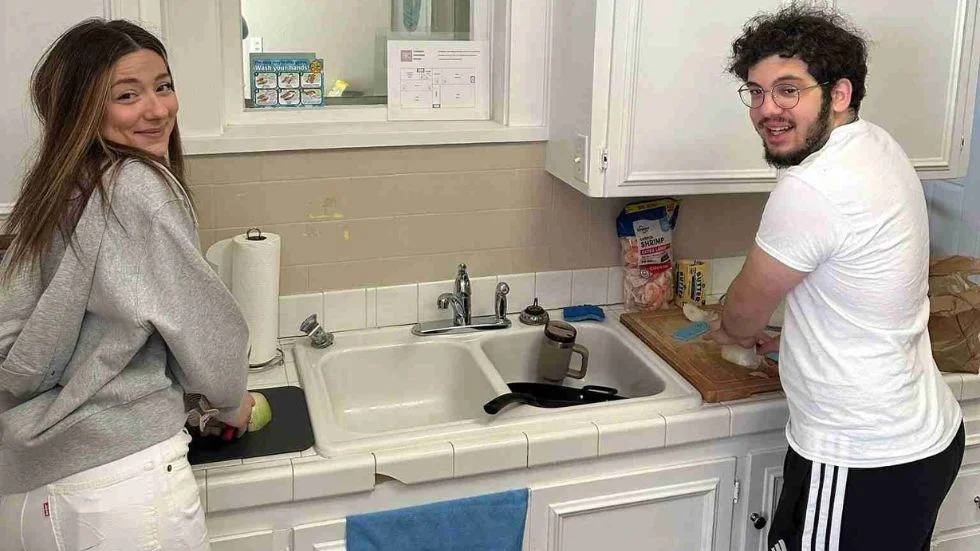
Young adults practice daily responsibilities in a structured and supportive setting.
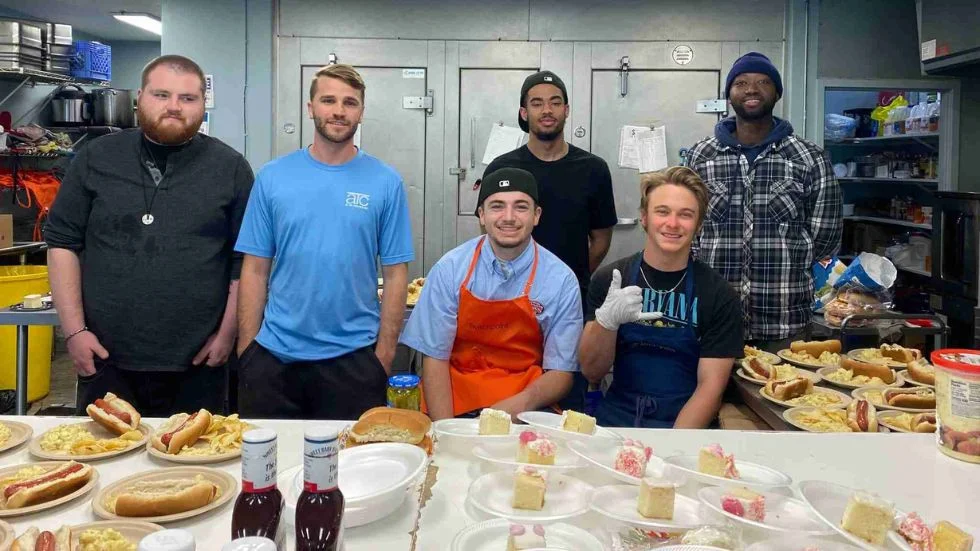
Local partnerships expand opportunities for education, employment, and engagement.
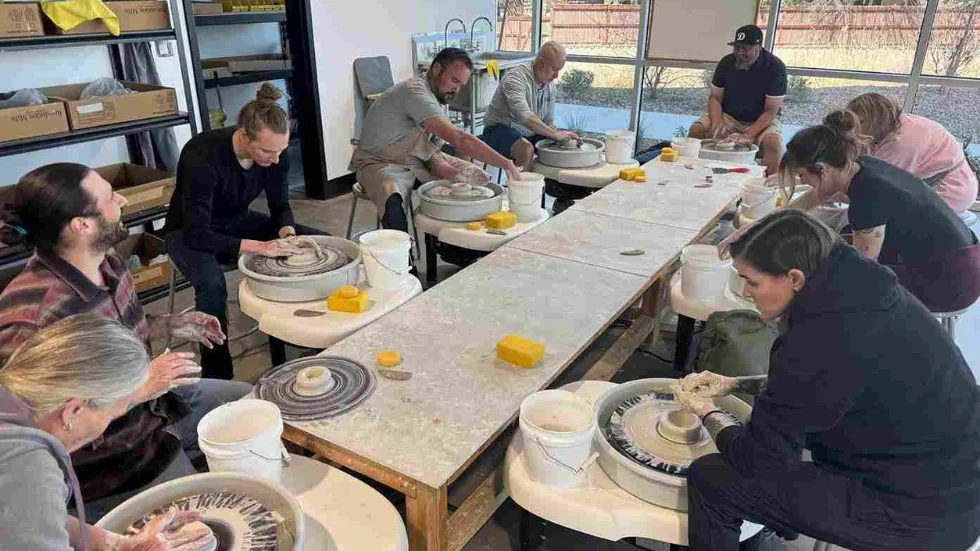
Some young adults struggle with motivation and independence. Learn the common signs and when added structure may help.
Get The Clarity You Need to Move Forward
How the Program Works
Most struggling young adults don’t struggle to launch because of a lack of intelligence or potential. They struggle because they have never had the right combination of structure, clinical support, and real-world accountability operating at the same time. ATC’s model is built around three integrated pillars:
Supervised Residential Living
Residents live in ATC’s structured housing in St. George — a real home environment, not a clinical facility. Independence cannot be practiced in a hospital setting, and our program does not try to simulate one. Daily routines, cooking, budgeting, household responsibilities, and interpersonal boundaries are embedded in the day-to-day rhythm of the program. Staff provide consistent support, but the expectation of personal accountability is constant and graduated — residents earn increasing freedom as they demonstrate the skills to use it.
Clinical and Therapeutic Support
Every resident has access to licensed clinicians through individual therapy, group therapy, and coordinated family therapy. We address the emotional regulation challenges, anxiety, depression, and relational patterns that are often the root cause of failure to launch. Therapeutic work at ATC is not siloed from daily life — our clinicians work alongside our colleagues and residential staff to ensure that progress in treatment is reflected in the decisions residents make every day.
Real-World Skill Building and Vocational Readiness
ATC is not a gap year — it is a structured launch pad. Residents develop financial literacy, employment readiness, and the practical daily living skills that independent adulthood demands. Through partnerships including Utah Tech University and local employers, young adults engage in real work and real academic environments while still supported by ATC’s structure. In our experience, the residents who thrive are those who are challenged to do real things, not just talk about doing them.
Supportive Services and Program Resources
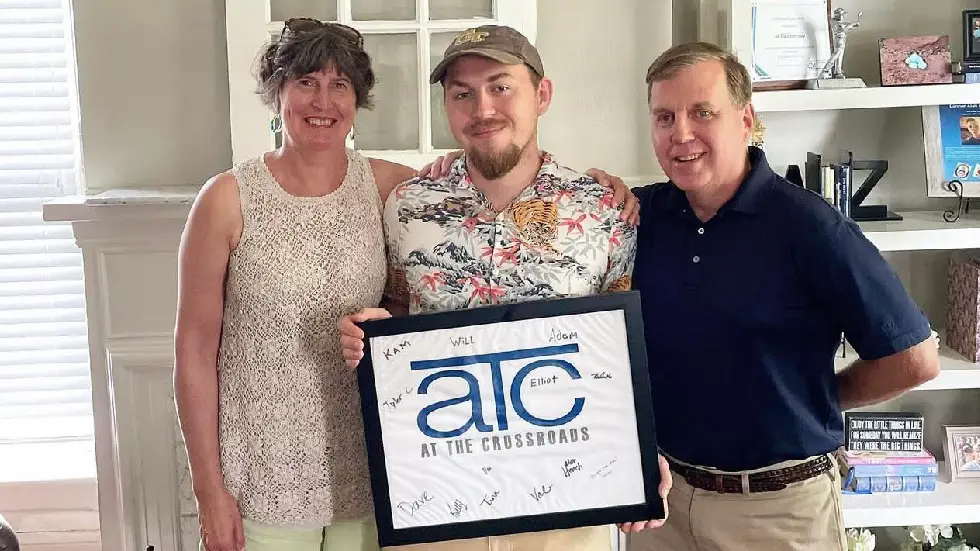
- Access to licensed clinicians and therapeutic support
- Dedicated collegiate and life skills support staff
- Individual, family, and group therapy coordination
- Aftercare planning and continued support
- Stress management and coping skills development
- Daily living and self-care guidance
- Vocational exploration and work readiness support
- Social skills development
- Academic guidance and planning
- Financial literacy and budgeting education
- Community partnerships, including Utah Tech University
- Outdoor recreation and experiential learning
Building Life Skills Through Real-World Experience
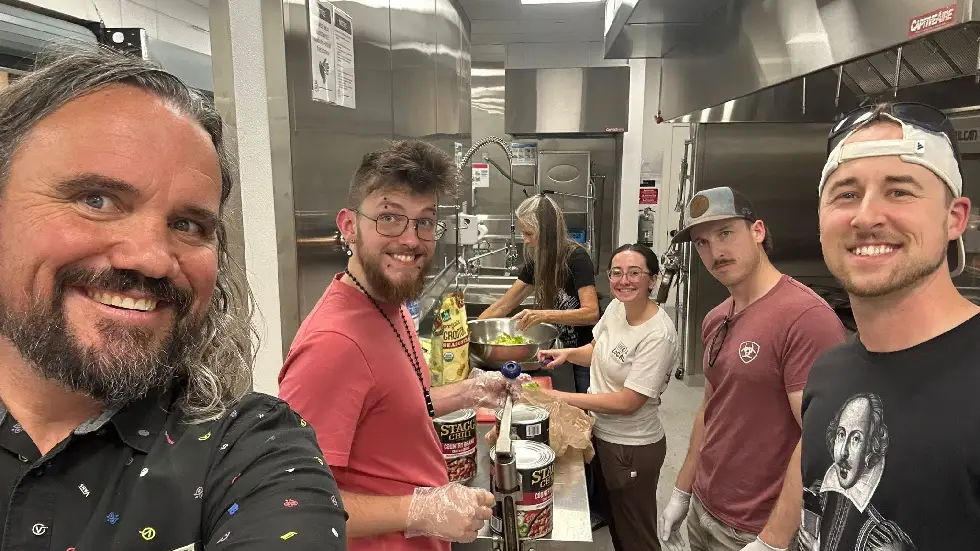
At The Crossroads (ATC), young adults participate in meaningful community-based activities that build responsibility, teamwork, and real-world confidence.
Experiences like volunteering at a local soup kitchen help residents develop practical life skills while learning the value of contribution, accountability, and service. These structured activities are part of ATC’s supportive environment designed to prepare young adults for greater independence.
What Families Can Realistically Expect.
Here’s what the research says about outcomes for young adults in structured transitional living programs — and what to realistically expect from ATC:
The Substance Abuse and Mental Health Services Administration (SAMHSA) reports that young adults in structured transitional living environments demonstrate significantly better self-sufficiency outcomes compared to those returning directly home from residential treatment without a step-down plan.
Research published in Psychiatric Services found that supported-living models reduce rates of re-hospitalization among young adults with mental health challenges by up to 50% compared to unsupported discharge.
The National Alliance on Mental Illness (NAMI) identifies the 18–25 age window as the highest-leverage period for intervention — young adults who receive structured support during this phase are significantly more likely to achieve stable employment and independent housing within three years.
At ATC, we measure progress in practical milestones: maintaining a job or academic enrollment, managing a personal budget, sustaining healthy relationships, and ultimately transitioning to truly independent living — whether that means an apartment, college, or a career opportunity. We are honest with families: this is not a quick fix, and we would be concerned about any program that claimed otherwise. Most residents benefit from 6 to 18 months of structured support. That timeline is not a failure — it reflects how long genuine independence actually takes to build.
Transitional Living vs. Residential Treatment
Families often ask whether At The Crossroads is a residential treatment center or a transitional living program, and what that distinction means for their young adult. The right level of care depends entirely on where a young adult is in their journey.
| Residential Treatment Center | Transitional Living — At The Crossroads | |
|---|---|---|
| Primary focus | Crisis stabilization; acute mental health needs | Building independence; life skills; real-world readiness |
| Living environment | Clinical or therapeutic facility | Real home environment in St. George, Utah |
| Daily freedom | Highly restricted | Graduated — increased as skills are demonstrated |
| Community access | Limited | Active — employment, university, community involvement |
| Ideal candidate | Young adult in active crisis or acute danger | Post-treatment step-down or first-time failure to launch |
| Typical duration | 30–90 days | 6–18 months |
If your young adult is in active crisis — unable to keep themselves safe, experiencing acute psychosis, or in danger — a residential treatment center is the appropriate first step. If they have completed treatment (or simply need structure that home cannot provide), At The Crossroads is the bridge to real independence.
Get The Clarity You Need to Move Forward
-
What is a young adult transitional living program?A young adult transitional living program is a structured residential setting where emerging adults, typically ages 18 to 26, live in supervised housing while developing independence through clinical support, life skills training, and real-world responsibilities. It bridges the gap between intensive residential treatment and fully independent living, providing the accountability, coaching, and community integration that most home environments cannot sustain.
-
How is transitional living different from a residential treatment center?Transitional living focuses on building independence rather than stabilizing a crisis. Unlike residential treatment centers, where daily life is highly restricted and clinically managed, transitional living programs place young adults in real home environments with graduated freedom, active community engagement, and vocational responsibilities. Residents at At The Crossroads work, attend school, manage budgets, and practice daily life skills while still supported by clinical staff.
-
What does "failure to launch" mean — and does At The Crossroads help with it?"Failure to launch" describes a pattern in which a young adult, despite having the intellectual capacity to succeed, is unable to meet the basic milestones of independent adulthood: holding employment, managing finances, maintaining relationships, or living without intensive parental support. At The Crossroads specializes in this population. Our structured accountability model, clinical support, and real-world skill-building environment is designed to support long-term independence.
-
How long does the program at At The Crossroads typically last?Most residents benefit from 6 to 18 months at our St. George, Utah program. Duration depends on each young adult's starting point, the complexity of their mental health challenges, and the pace at which they develop and demonstrate independence skills. We build a personalized transition plan with each resident and their family from the first day of enrollment, the goal is always a clear, supported path toward independent living, not an open-ended stay.
-
Is At The Crossroads a good fit for families outside of Utah?Yes, the majority of ATC families come from out of state. Geographic distance is often intentional and therapeutically beneficial, creating healthy separation between the young adult and their home environment while they develop skills in a neutral setting. St. George, Utah offers real-world opportunities through Utah Tech University, local employers, and an active outdoor community. Our team maintains consistent contact with out-of-state families through regular calls, family therapy sessions, and transparent progress updates.
-
What clinical support does At The Crossroads provide?ATC residents have access to licensed clinicians who facilitate individual therapy, group therapy, and family therapy coordination. Our clinical team addresses the emotional regulation challenges, anxiety, depression, and relational patterns that are often underneath failure to launch behaviors. Clinicians work in direct coordination with our life skills coaches and vocational staff to ensure that therapeutic progress is reflected in real daily behavior, not just in the therapy room.
See More Therapy, Service, and Activities in Utah
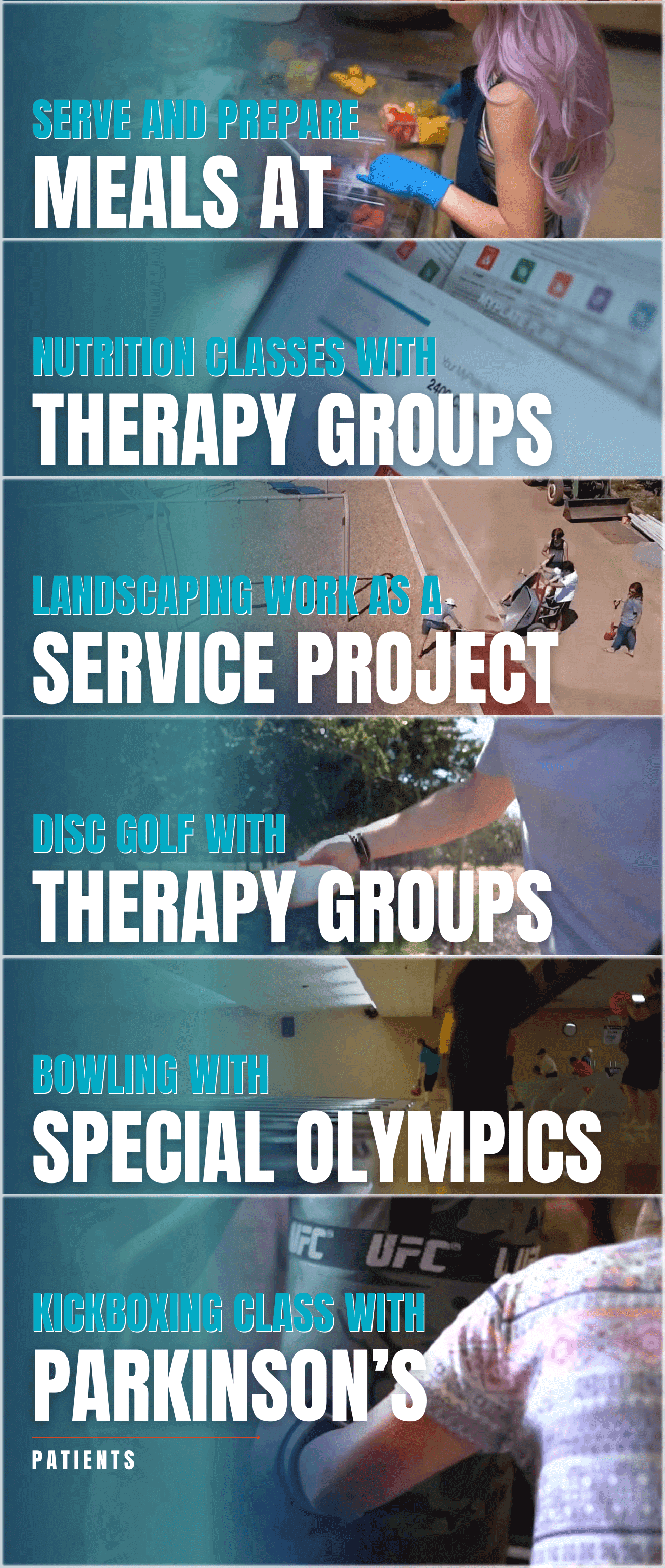
Watch All Videos Here
Ready to Take the Next Step?
Choosing the right support for your young adult is an important decision. Our admissions team is here to answer your questions, explain how our structured program works, and help you determine the best next step. All conversations are confidential.
Confidential support available 24/7
Call Us: (866) 439-0354
Email: info@atthecrossroads.com
Address: 139 100 W, St. George, UT 84770