
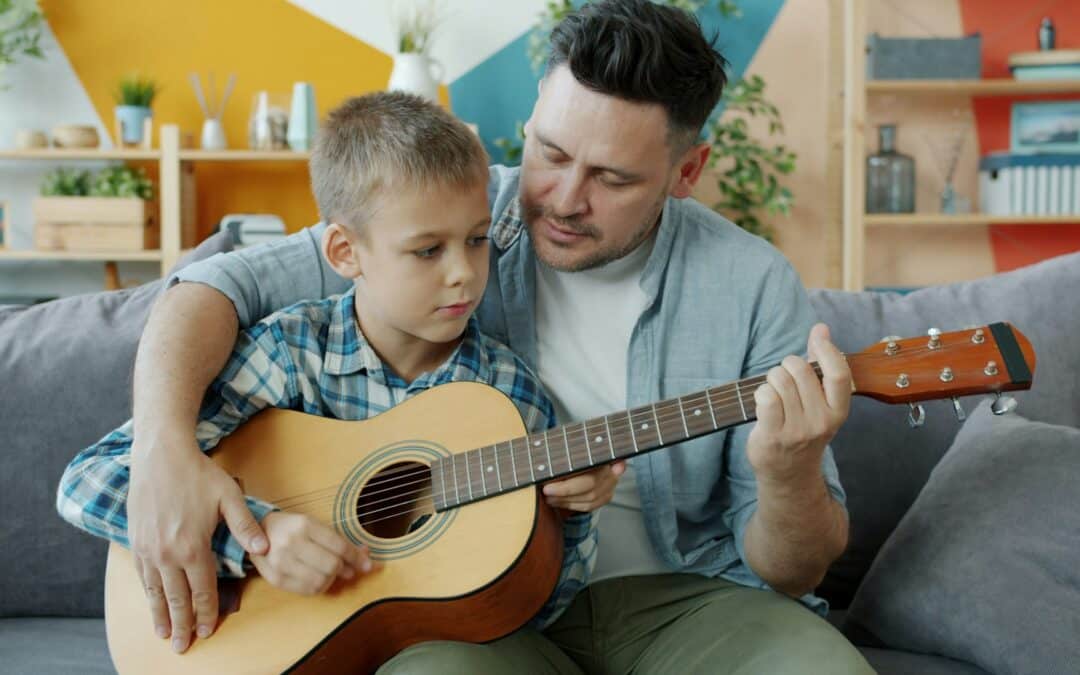
Helping young adults transition into independence isn’t always easy — especially when they struggle with confidence, structure, or motivation. That’s where Life Skills programs come in.
A Life Skills program provides practical, hands-on training that helps young adults build the tools they need to live independently and succeed in their personal, social, and professional lives. These programs are especially valuable for those experiencing “failure to launch” — young people who find it difficult to take the next steps toward adulthood.
At At The Crossroads, based in Utah, we specialize in helping young adults develop critical life skills, manage emotions, and create sustainable routines that lead to long-term success. But what exactly happens inside a program like this? Let’s take a closer look.
Key Takeaways
-
Life Skills are essential for young adults transitioning into independence.
-
Programs like At The Crossroads provide hands-on, structured guidance.
-
Benefits include improved confidence, independence, emotional regulation, and family harmony.
-
Parents can nurture life skills at home but professional support can accelerate progress.
-
A Life Skills program is especially valuable for young adults struggling with failure to launch.
What Are Life Skills Programs for Young Adults?
A Life Skills program focuses on teaching essential abilities that many young adults may not have fully developed during adolescence. These skills go beyond academics — they’re about everyday functioning, emotional balance, and social responsibility.
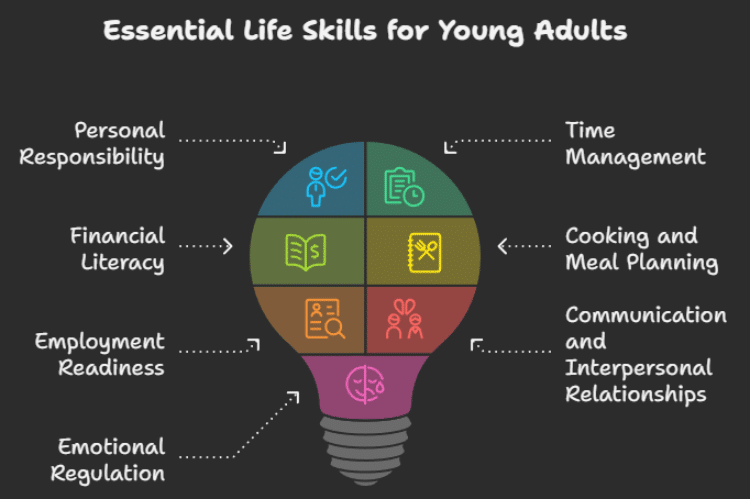
Some common areas covered include:
-
Personal responsibility and self-discipline
-
Time management and organization
-
Financial literacy (budgeting, saving, managing expenses)
-
Cooking and meal planning
-
Employment readiness (interview skills, resume writing)
-
Communication and interpersonal relationships
-
Emotional regulation and stress management
At At The Crossroads, these skills are taught through individualized coaching, structured routines, and experiential learning. Each young adult receives personalized guidance, helping them build both competence and confidence.
A Typical Day in a Life Skills Program
Every program is slightly different, but at At The Crossroads, a day in a Life Skills program might look like this:
| Time | Activity | Purpose |
|---|---|---|
| Morning | Personal routines, goal setting | Builds structure and accountability |
| Midday | Workshops on budgeting, cooking, or job prep | Teaches real-world competence |
| Afternoon | Therapy or group sessions | Develops communication and emotional skills |
| Evening | Independent practice and recreation | Reinforces autonomy and balance |
This structure helps participants find rhythm in their day, a key factor for those recovering from stagnation or lack of direction.
The Benefits of a Life Skills Program
Enrolling in a Life Skills program offers transformative benefits for both young adults and their families.
1. Building Confidence
Many young adults struggling to launch often feel lost or overwhelmed. Learning concrete skills — like managing finances or cooking meals — boosts their confidence and self-esteem.
2. Emotional Growth
Life isn’t just about practical knowledge. Programs also include emotional coaching, helping participants handle anxiety, depression, or frustration more effectively.
3. Independence and Responsibility
By practicing independent living in a supportive environment, young adults learn accountability. They make mistakes, reflect, and improve — all within a safe space.
4. Stronger Family Relationships
Families often notice better communication and reduced tension after their young adult joins a structured program. Healthy boundaries and clearer expectations can rebuild trust.

How Life Skills Programs Support Failure to Launch Challenges
Failure to launch is not simply laziness or disinterest — it often stems from anxiety, lack of coping tools, or difficulty adapting to adulthood.
Life Skills programs address the root causes by combining emotional support with practical learning. Participants gain the confidence to set goals, take initiative, and follow through — essential traits for independent living.
For example, at At The Crossroads, our program combines:
-
Therapeutic support with licensed professionals
-
Hands-on learning through daily routines and mentorship
-
Community engagement to build social confidence
The result? Sustainable growth that helps young adults take ownership of their future.
How Parents Can Support Life Skills Development at Home
Even outside a program, parents can play a key role in nurturing Life Skills at home.
Here are a few ways:
-
Encourage small responsibilities (like meal planning or budgeting a weekly allowance)
-
Promote open communication — let your teen express frustration or fear without judgment
-
Set realistic expectations and celebrate small wins
-
Model behavior — show how you manage tasks, time, and stress effectively
However, if your young adult is stuck or unmotivated despite your efforts, a structured Life Skills program may offer the consistent support and accountability they need.
Conclusion
Mastering Life Skills is one of the most important steps toward successful adulthood. These programs empower young adults to live confidently, manage responsibilities, and make meaningful progress in life.
If your child or young adult is struggling to find direction, professional support can make all the difference.
Contact At The Crossroads now to help your teen develop the life skills they need for lasting independence.
Recent Comments