
Essential Life Skills for Young Adults: Building Independence
A structured environment where young adults can practice, make mistakes, and grow safely.
Foundation
What Are “Life Skills” for Young Adults?
Life skills are the practical and emotional tools that help individuals function effectively in everyday life. They fall into three main categories:
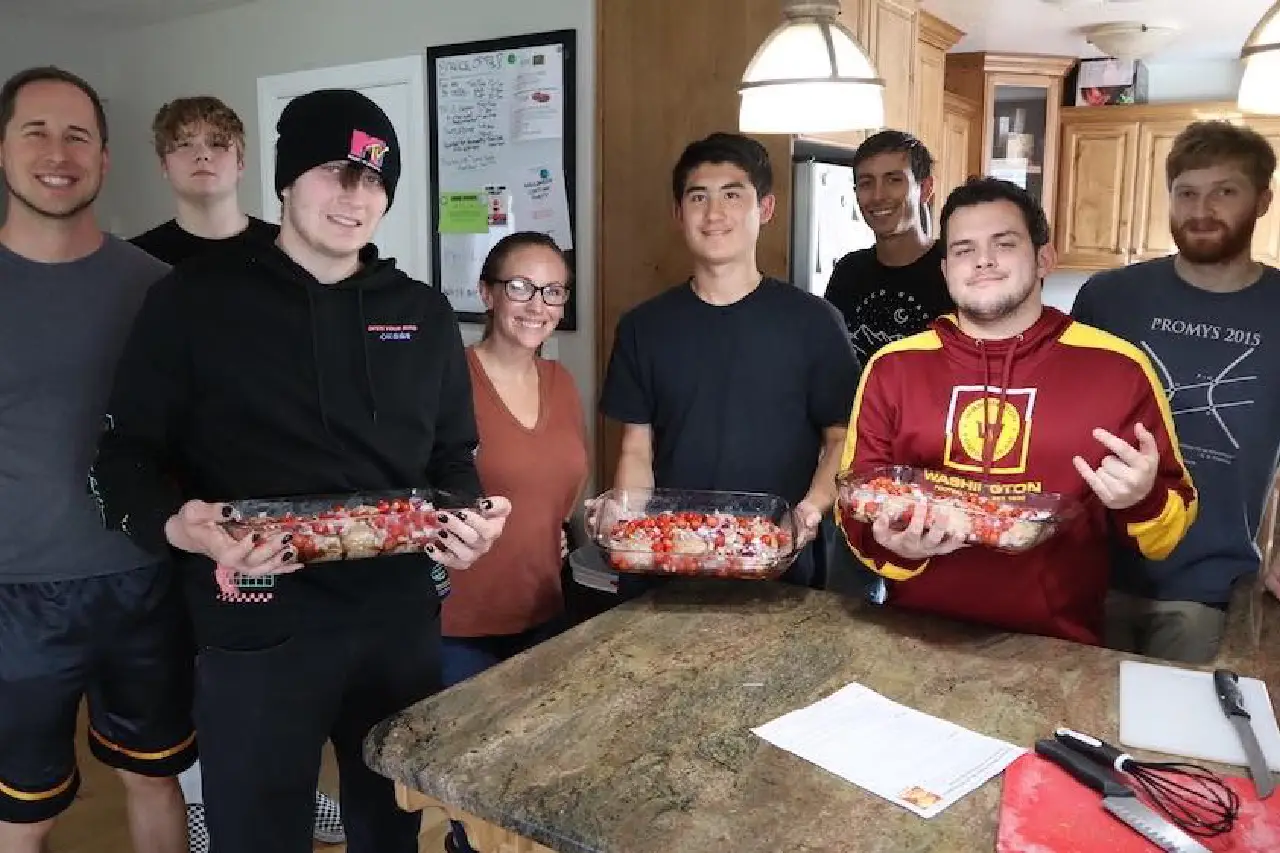
Practical Skills: Managing money, cooking, cleaning, and organization.
Social and Emotional Skills: Communication, self-regulation, and problem-solving.
Professional and Academic Skills: Time management, responsibility, and goal setting.
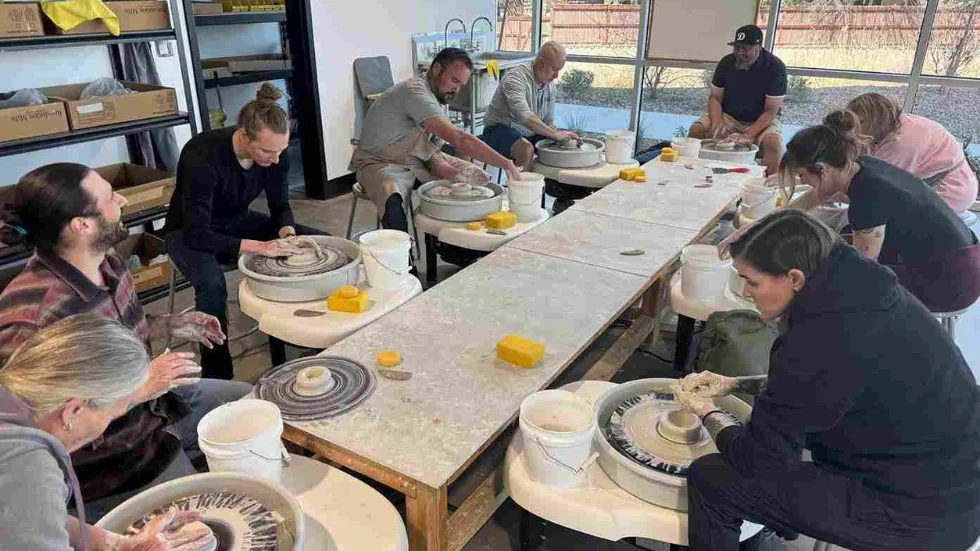
While schools focus heavily on academics, many young adults graduate without mastering these real-world abilities, leading to frustration, dependency, or difficulty launching into adulthood. At The Crossroads bridges that gap by offering a structured environment where young adults can practice, make mistakes, and grow safely, with life skills training working alongside our full range of program services.
Growth
How Life Skills Training Builds Confidence
Mastering life skills does more than make young adults capable. It helps them feel capable. That confidence often translates to:
-
Increased motivation to pursue goals
-
Improved emotional stability
-
Stronger relationships with family and peers
-
Reduced anxiety about the future
At The Crossroads, progress happens step by step. Our team celebrates small victories, helping participants recognize that growth is possible with effort and support.
Purpose
Why Life Skills Matter for Young Adults
Transitioning from adolescence to adulthood can be both exciting and overwhelming. For many young adults, the shift from relying on parents to managing responsibilities independently does not happen overnight. Life skills are the foundational abilities that allow young people to navigate real-world challenges confidently and responsibly.
Assessment Tool
Pathway to Independence (P2I) Framework
The Pathway to Independence (P2I) framework is the tool our team uses to assess the behaviors and competencies young adults need to achieve their long-term goals. It is designed to set young adults on their way toward developing healthy, productive lives.
The P2I framework is designed to be used in a collaborative conversation between a therapist, mentor, parents, and young adult. Like a traditional life skills assessment, the P2I is not a test. It is a way to build your own personal checklist of strengths and growth areas showing you what you know already and what is possible to learn next.
01
CHOOSE SCOPE
Comprehensive Assessment covering all modules, or a Customized Targeted Assessment for specific needs.
02
COMPLETE THE INVENTORY
118 items across the full framework, ages 14 through adulthood, with self-report and informant-report options.
03
MAP THE PROFILE
Our team reviews the strengths-focused profile to identify which competency domains are most impaired.
04
PLAN THE WORK
Priorities shape individualized goals: emotion-identification, regulation strategies, and more.
05
REASSESS AND ADJUST
SEL competencies are reassessed periodically so progress can be tracked longitudinally.
What the Framework Measures
Curriculum
Core Life Skills We Teach
Areas of Life Skills
Every area of independence, addressed comprehensively within our program.
Our Approach
Develop the Individual and Group Life Skills Necessary for Independence
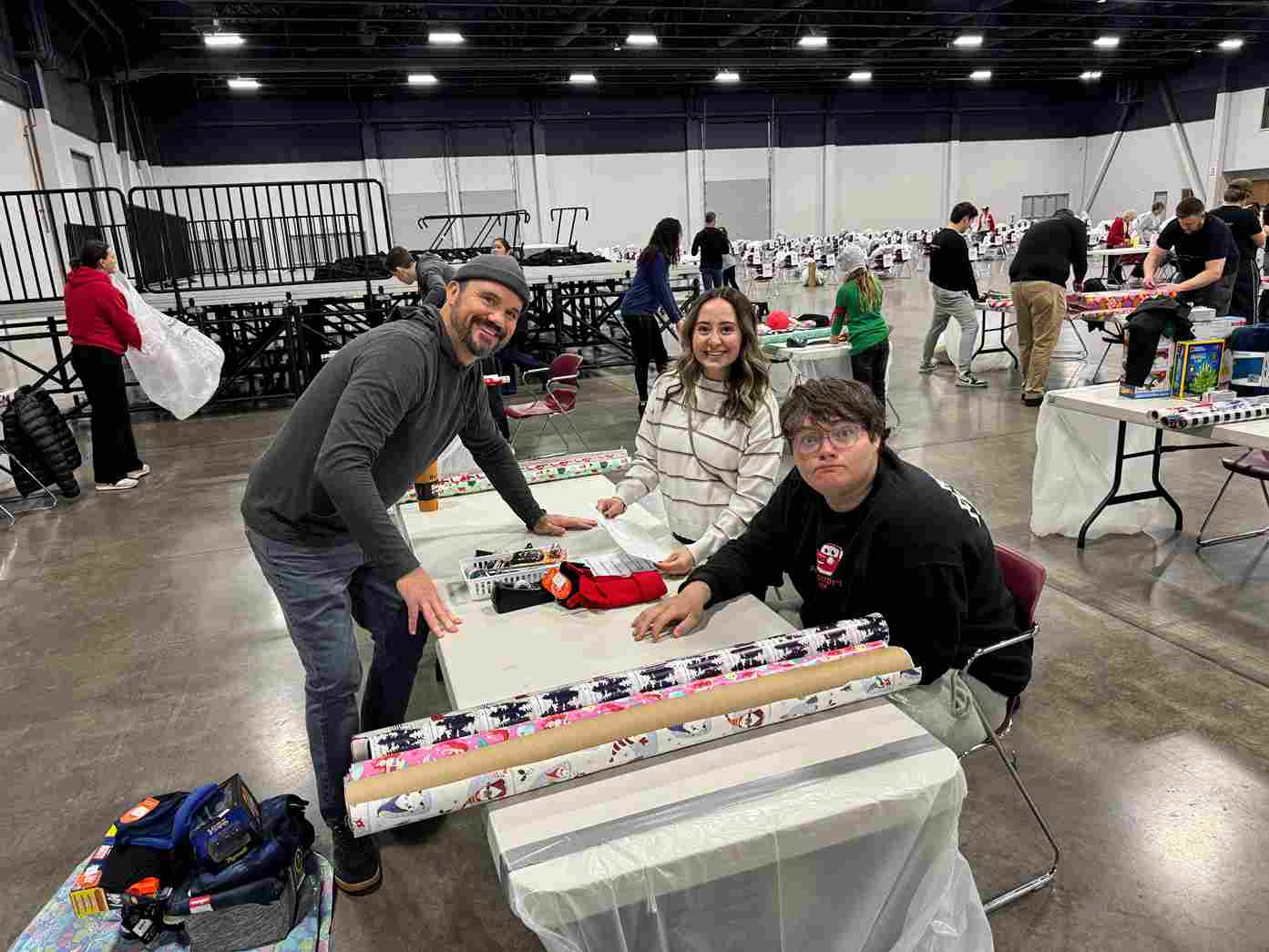
Often times young adults require assessment and coaching in order to develop and hone the life skills necessary for long-term independence and success. At The Crossroads uses a variety of Life Skill models as a guide to develop individualized life skills training programs for our clients.
Working through the life skills component of our program in turn helps the young adults to gain confidence and traction in working towards their life goals. Once a young adult develops a healthy set of life skills, independence is that much more attainable.
Based off of information from the Life Skill assessments and clinical observation, young adults are evaluated on their proficiency with the listed life skills. Therapists work with colleagues to establish specific life skills with goals and objectives that become part of each student’s master treatment plan and are a focus of work between students and colleagues throughout the week.
Location and Setting
How to Choose Life Skills Training Programs: Why Utah Is an Ideal Setting for Growth and Independence
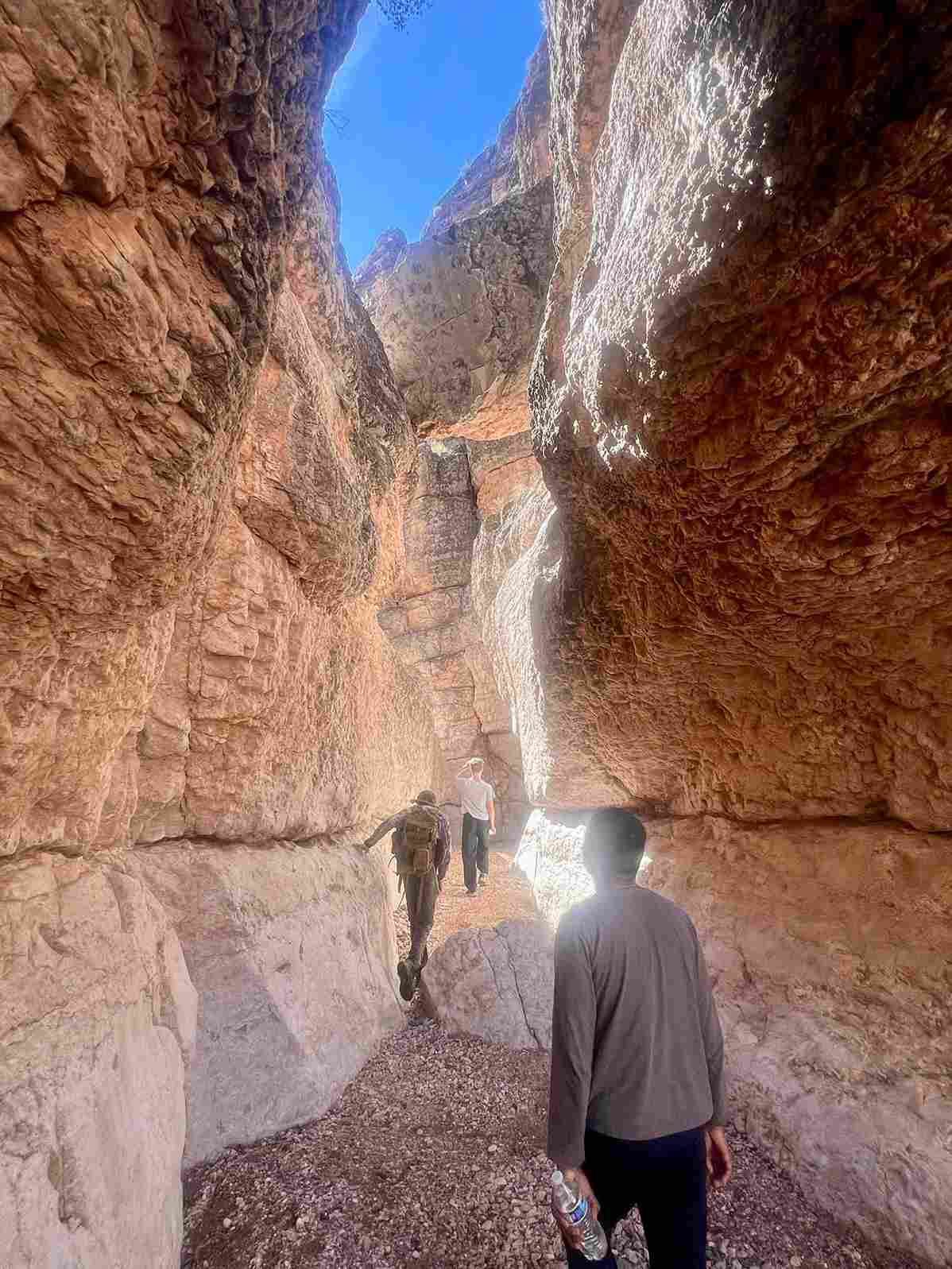
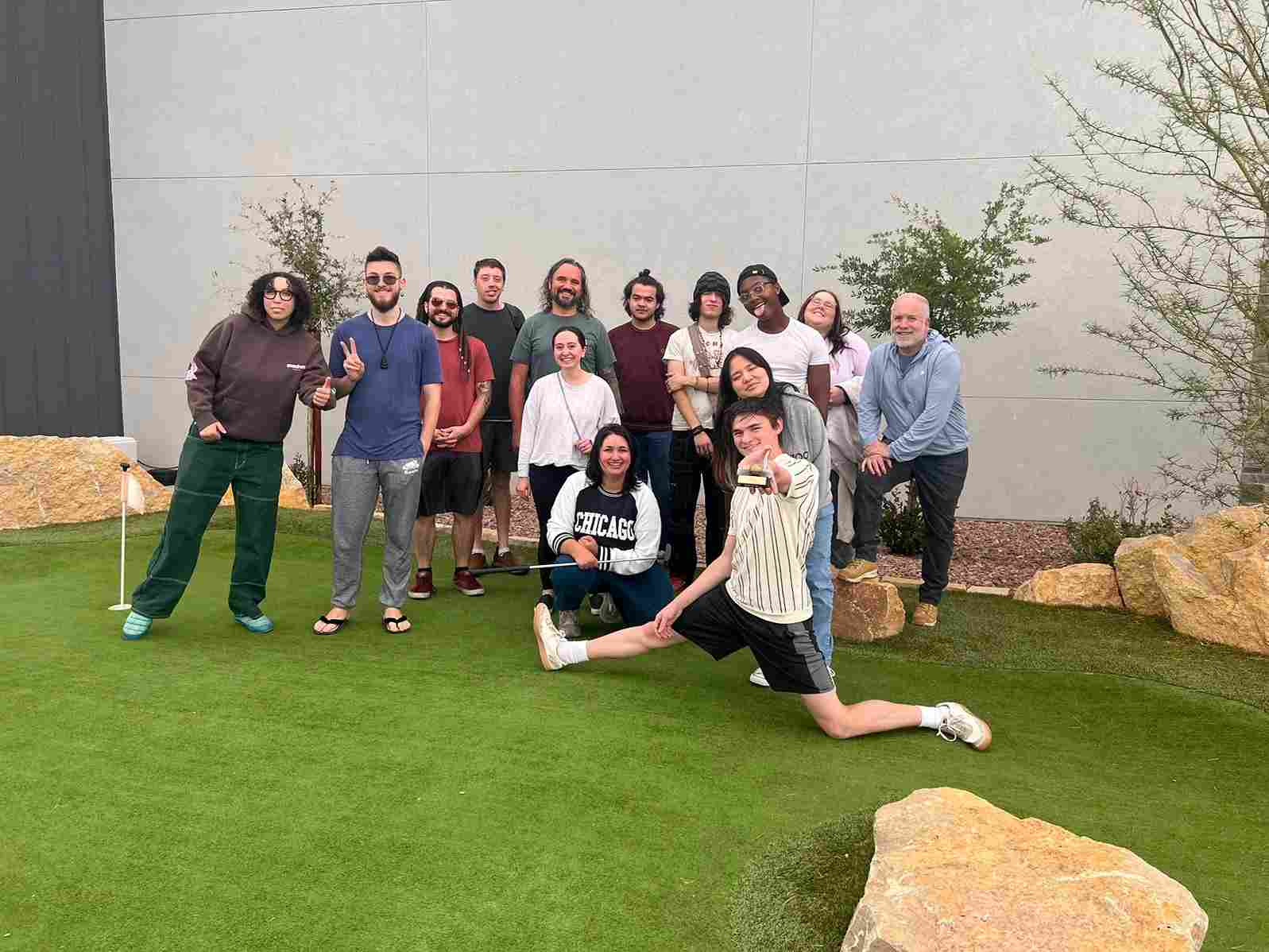
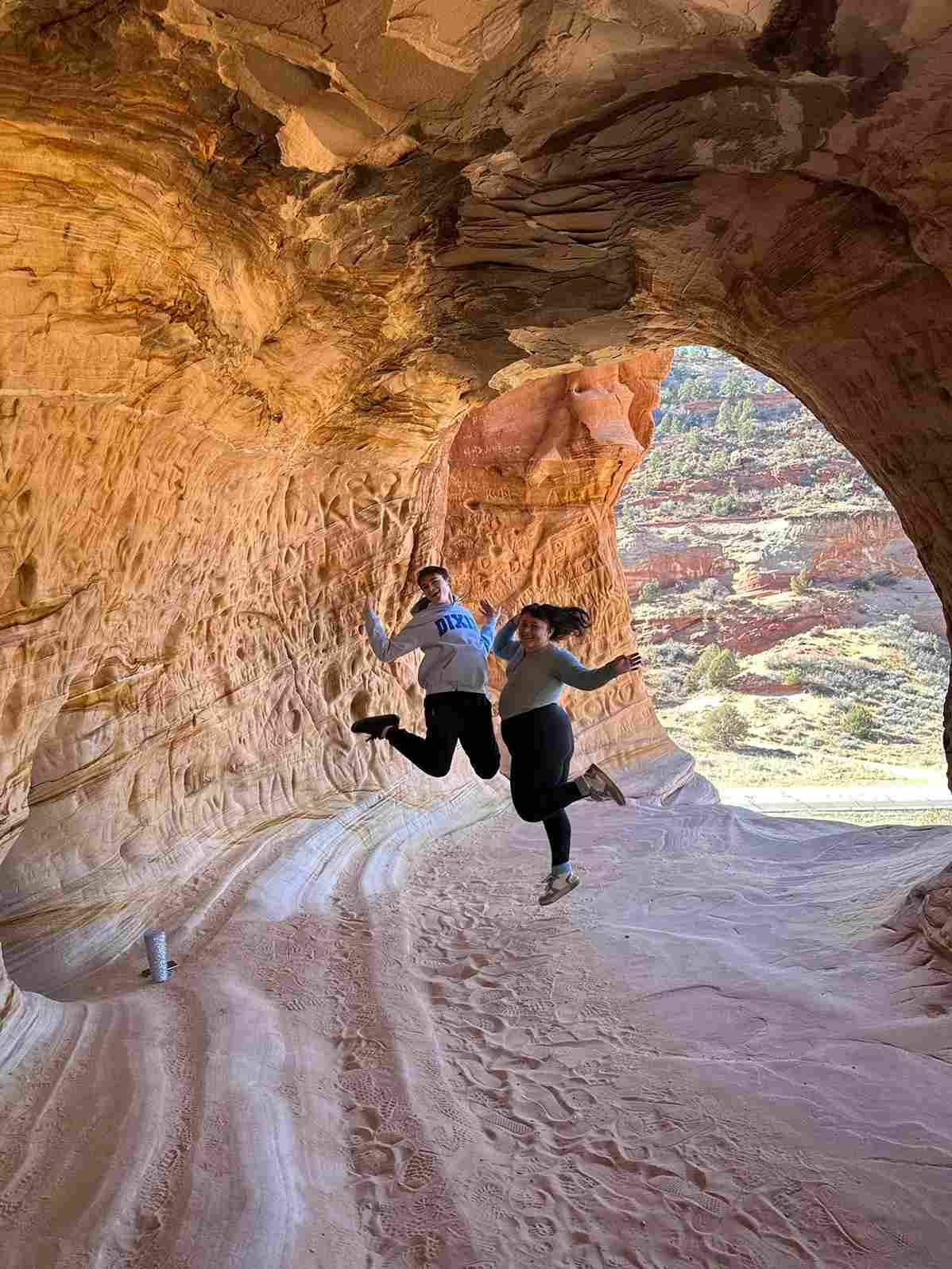
Utah’s natural beauty and supportive therapeutic community make it a unique environment for personal development. At The Crossroads takes advantage of local resources, from community engagement to outdoor recreation, to provide a real-world learning experience that’s both challenging and restorative.
Young adults gain the independence they need while surrounded by mentors who understand the journey toward adulthood.
Is This Right for You?
When to Consider a Life Skills Program
You may want to explore a life skills program if your young adult:
Struggles with motivation or time management
Avoids work, school, or responsibilities
Relies heavily on parents for daily needs
Experiences anxiety, depression, or social withdrawal
Feels “stuck” and unsure how to move forward
Our Difference
What Makes At The Crossroads Different
Our program is designed for sustainable growth, not quick fixes. We combine:
Helping your young adult gain independence is one of the most meaningful investments you can make in their future.
At The Crossroads provides a safe, structured environment where young adults can learn, grow, and thrive, developing the essential life skills that lead to lasting independence.