

Watching your young adult struggle to take steps toward independence can be one of the most painful experiences for a parent. Maybe they’re living at home longer than expected, avoiding responsibility, or seem unmotivated to work or study. You may ask yourself: Is this normal? Or is something deeper going on?
This challenge is often referred to as Failure to Launch (FTL) — when a young adult finds it difficult to transition into independent adulthood. Fortunately, there are proven strategies and supportive programs designed to help families navigate this situation.
In this article, we’ll explain what failure to launch really means, the signs of failure to launch, and most importantly, how parents can help their young adult regain confidence and move forward.
Key Takeaways
-
The signs of failure to launch include chronic dependence, avoidance of responsibility, and lack of motivation.
-
Emotional issues, overprotection, or lack of life skills often contribute to the problem.
-
Parents can support growth by setting boundaries, encouraging professional help, and avoiding enabling behaviors.
-
Structured programs like At The Crossroads offer life skills training, therapy, and community support to help young adults thrive independently.
-
Early intervention can prevent long-term challenges and help your young adult build a fulfilling, self-reliant life.
What Is Failure to Launch?
Failure to launch isn’t a formal diagnosis but a term used to describe young adults who are “stuck” — unable to take the next steps toward independence, employment, or self-sufficiency.
It often involves a combination of emotional, social, and behavioral barriers, such as:
-
Difficulty finding or keeping a job
-
Avoidance of responsibilities
-
Anxiety, depression, or low self-esteem
-
Lack of motivation or fear of failure
-
Overreliance on parents for emotional or financial support
While occasional uncertainty is normal in early adulthood, long-term dependency often requires structured intervention and guidance.
Recognizing the Signs of Failure to Launch
Not every young adult who struggles with motivation is experiencing failure to launch. The key difference lies in duration, consistency, and impact on daily life.
Common Signs of Failure to Launch Include:
-
Chronic lack of direction or purpose
-
Avoiding career, education, or personal goals
-
Spending excessive time on video games or online activities
-
Resistance to therapy, work, or self-improvement
-
Emotional outbursts or avoidance when faced with responsibility
-
Low self-confidence and dependence on family members
If these behaviors persist for six months or more, it may be time to explore professional support.
Why Some Young Adults Struggle to Launch
Every story is unique, but certain root causes are common among young adults experiencing FTL.
| Underlying Cause | Description |
|---|---|
| Mental Health Challenges | Anxiety, depression, or trauma can make independence feel overwhelming. |
| Overprotective Parenting | When parents do too much, young adults may lack problem-solving skills. |
| Lack of Life Skills | Many young adults haven’t learned budgeting, cooking, or time management. |
| Fear of Failure | Fear of disappointment can cause avoidance and procrastination. |
| Social Isolation | Limited interaction with peers can hinder growth and confidence. |
Understanding these causes helps parents respond with empathy and practical solutions instead of frustration.
How Parents Can Support a Failure-to-Launch Young Adult
It’s natural for parents to want to rescue their child — but doing too much can unintentionally reinforce dependency. Here are effective ways to encourage growth while setting healthy limits.
1. Set Boundaries and Expectations
Establish clear rules around responsibilities, finances, and household contributions. Boundaries create accountability and encourage independence.
2. Encourage Professional Support
Therapy or coaching can help uncover emotional blocks. Programs like At The Crossroads in Utah offer structured, therapeutic environments that promote life skills and personal growth.
3. Focus on Small Wins
Help your young adult set small, achievable goals — such as applying for one job, completing a course, or managing their own schedule. Each success builds confidence.
4. Avoid Enabling Behavior
Providing money, doing chores for them, or rescuing them from consequences can slow progress. Offer emotional support instead of constant intervention.
5. Model Healthy Independence
Show your young adult what balanced, independent living looks like. Demonstrate resilience and responsibility in your own daily actions.
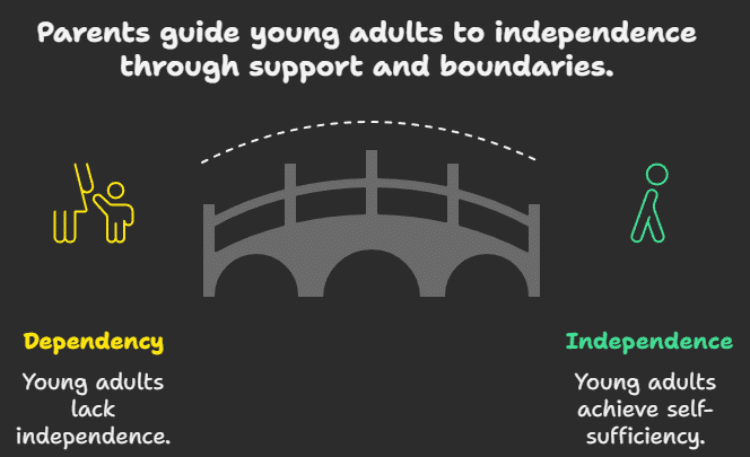
The Role of Transitional Programs
Sometimes, a young adult needs more than parental guidance — they need structure, accountability, and a supportive community.
At The Crossroads, based in Utah, specializes in helping failure-to-launch young adults develop the skills, habits, and mindset needed for independence. Their approach combines:
-
Life skills coaching (budgeting, cooking, job preparation)
-
Therapeutic counseling for emotional barriers
-
Career and education support
-
Community-based living to promote accountability
These environments help young adults move from dependency to confidence — a vital step toward long-term stability.
Conclusion
Seeing your young adult struggle doesn’t mean you’ve failed as a parent — it means they need the right kind of guidance to move forward.
If your child shows ongoing signs of failure to launch, don’t wait until the problem worsens. With the right support, your young adult can build confidence, learn critical life skills, and find their path to independence.
Contact At The Crossroads now to help your teen start their journey toward a more independent and successful future.
Recent Comments