

Many parents notice their young adult struggling to move forward—hesitant to take responsibility, find work, or live independently. These signs of failure to launch often stem from a lack of confidence, motivation, or essential life skills rather than unwillingness.
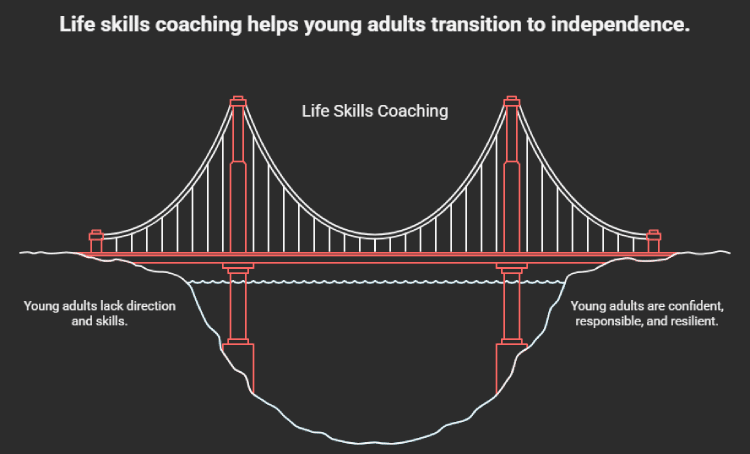
This is where life skills coaching becomes a powerful tool. It bridges the gap between dependency and independence, helping young adults develop the emotional and practical tools they need to thrive.
At At The Crossroads, a transitional program based in Utah, life skills coaching plays a key role in helping young adults rebuild confidence and direction.
Key Takeaways
-
Life skills coaching helps young adults overcome the signs of failure to launch by teaching structure, accountability, and emotional management.
-
It provides a bridge from dependence to independence through real-world skills and personal growth.
-
Programs like At The Crossroads use coaching, therapy, and community integration to support long-term success.
-
Early intervention can prevent chronic dependency and promote lasting confidence.
What Is Life Skills Coaching?
Life skills coaching focuses on teaching essential day-to-day skills that prepare young adults for independent living. This type of coaching is not about quick fixes — it’s about creating long-term behavioral and emotional change.
A life skills coach acts as both a mentor and accountability partner. They help young adults identify personal goals, recognize obstacles, and develop strategies to overcome them.
Common areas of focus include:
-
Time and money management
-
Job readiness and career planning
-
Emotional regulation and resilience
-
Communication and relationship skills
-
Goal setting and follow-through
Through consistent guidance, young adults begin to take ownership of their lives — a crucial step in overcoming failure to launch behaviors.
How Life Skills Coaching Helps Young Adults Overcome Failure to Launch
1. Builds Confidence Through Structure and Routine
Many young adults who show signs of failure to launch struggle with direction. Without a clear plan or structure, daily tasks can feel overwhelming.
A life skills coach helps them establish healthy routines — like setting schedules, managing responsibilities, and creating achievable goals. Over time, these small wins restore a sense of control and self-confidence.
2. Encourages Accountability and Personal Responsibility
Accountability is one of the cornerstones of growth. Coaches hold young adults responsible for their decisions in a supportive way.
They teach clients to take ownership of their actions, reflect on mistakes, and learn from them — instead of avoiding challenges or relying on parents for rescue. This mindset shift is often the turning point from being “stuck” to becoming independent.
3. Improves Emotional Regulation and Coping Skills
Emotional immaturity often contributes to failure to launch behavior. Young adults may feel anxious about adulthood or unmotivated due to underlying mental health issues.
Through coaching, they learn emotional regulation techniques, mindfulness, and problem-solving strategies. These tools help them handle stress and setbacks with greater stability and resilience.
4. Teaches Real-World Problem Solving
In traditional education, young adults often don’t learn the practical skills needed to function independently. Life skills coaching fills that gap by providing hands-on experience with real-life tasks such as budgeting, job applications, and conflict resolution.
By practicing these skills, they gain confidence in their ability to handle real-world challenges — a crucial step toward adulthood.
5. Strengthens Parent-Child Dynamics
When a young adult struggles, parents often step in to help — but over time, that can lead to enabling behavior.
Coaches work with families to redefine boundaries and communication patterns, helping parents support growth without fostering dependency. This balance allows both parties to regain trust and respect.
Signs Your Young Adult May Benefit from Life Skills Coaching
Recognizing when to seek support can make a major difference. Here are some common signs of failure to launch that may indicate your child needs structured guidance:
-
Avoidance of work, school, or responsibility
-
Lack of motivation or direction
-
Struggles with daily tasks like hygiene or scheduling
-
Emotional outbursts or withdrawal
-
Overdependence on parents for problem-solving
-
Social isolation or lack of confidence
If these behaviors persist, enrolling in a Failure to Launch program that integrates life skills coaching may help your child regain balance and purpose.
Why Choose a Program Like At The Crossroads
At At The Crossroads, life skills coaching is more than a service — it’s part of a holistic growth model.
Based in Utah, the program combines therapy, mentorship, and real-world skill-building to help young adults transition smoothly into independence. Participants learn to set realistic goals, manage emotions, and build stronger connections — all within a supportive, structured environment.
Conclusion
Helping a young adult launch into independence can be challenging, but it’s not impossible. With the right support and structured coaching, your child can gain the skills, confidence, and direction to succeed on their own.
Contact At The Crossroads now to help your teen build independence and achieve lasting success.
Recent Comments